






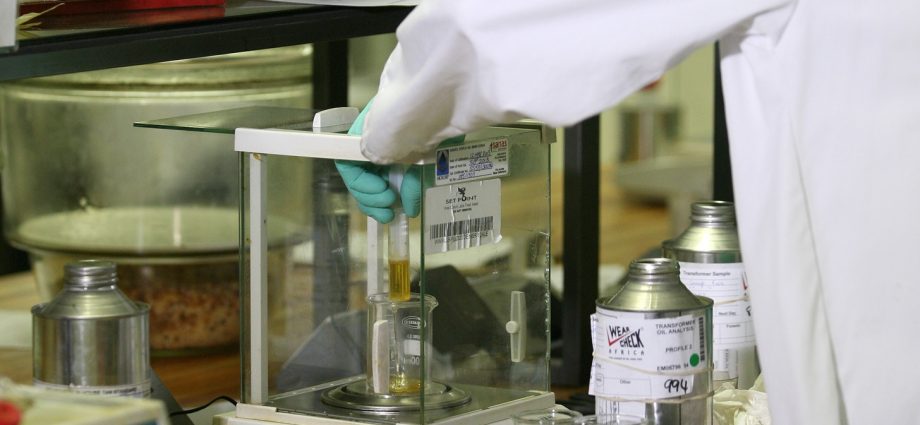
WearCheck will be showcasing a broad mix of condition monitoring solutions at the 2026 Investing in Africa Mining Indaba, hosted at the Cape Town International Convention Centre (CTICC) from 9 to 12 February. From scientific used oil analysis and transformer oil testing to asset reliability care services and water testing and analysis, the company’s stand will highlight how predictive maintenance can strengthen mining performance across the continent.
As a specialist in condition monitoring, WearCheck supports mining operations throughout Africa with practical tools and programmes aimed at reducing unplanned downtime, improving asset reliability and extending component life. The company’s offering spans both laboratory-based diagnostics and on-site technical services, enabling mines to build a clearer, more complete picture of equipment health.
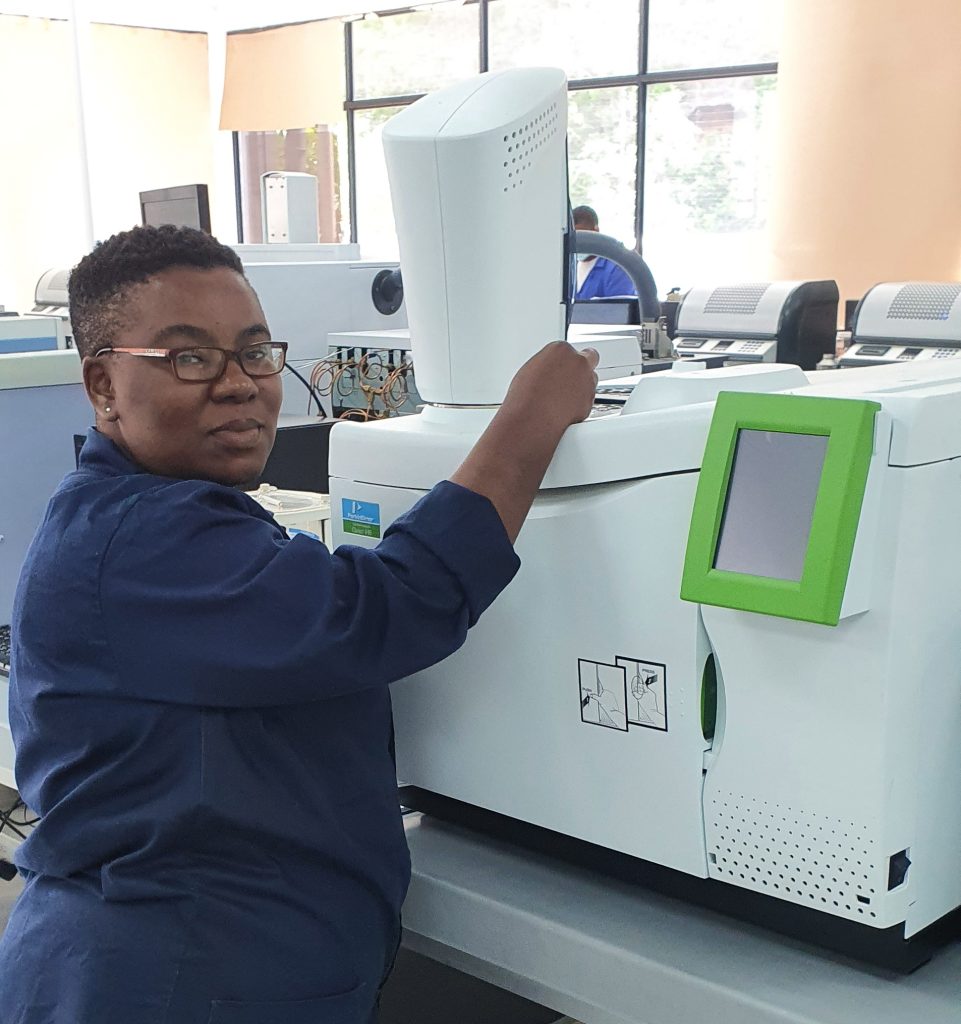
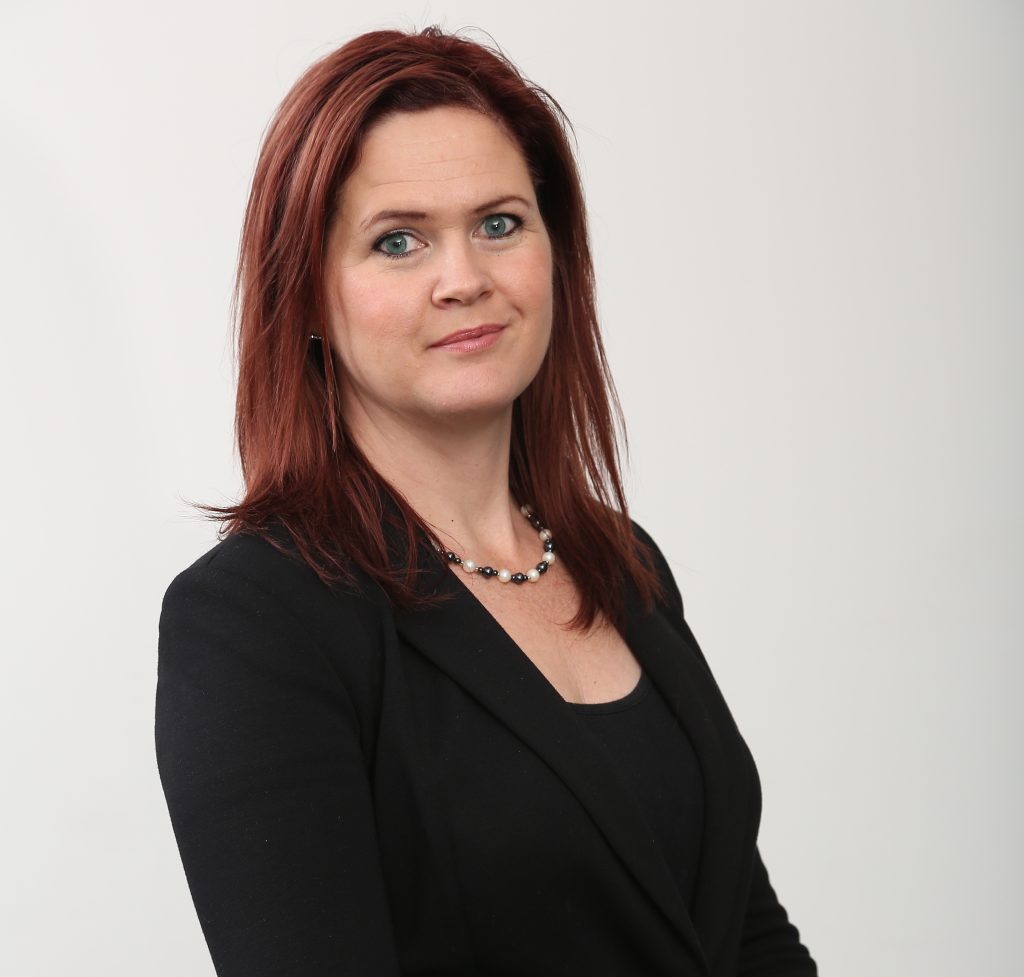
Visitors will find WearCheck at stand 1K21, hosted by marketing manager Vanessa Evans. A team of technical specialists will be available throughout the event to explain the company’s latest capabilities, share real-world applications and demonstrate technology-driven solutions that can be built into site maintenance strategies.
‘Mining Indaba brings together exactly the type of audience we want to speak to,’ says Evans. ‘It’s a place where we can have meaningful conversations about operational challenges and show – using real examples – how condition monitoring can make a measurable difference. We value the opportunity to meet new contacts, but it’s equally important for us to reconnect with long-standing customers and update them on the most recent developments across our divisions.’
Evans adds that the event is also a chance to strengthen relationships that have grown over decades. ‘Some clients have been with WearCheck for so long that the relationship feels more like a partnership than a supplier arrangement. It’s always a highlight for our team to see customers in person, exchange insights and talk through what’s next.’
At the heart of WearCheck’s services is the scientific analysis of used oil, fuel and other fluids. By examining samples for microscopic wear debris and other indicators, the company can flag early-stage abnormal wear and developing faults in mechanical systems. The results are evaluated by a team of specialist diagnosticians who interpret trends and, where necessary, recommend corrective action – helping maintenance teams intervene early rather than reacting after failure.
Beyond fluid analysis, WearCheck has built a portfolio of complementary predictive maintenance services that can be selected according to the site’s equipment mix and operating conditions. These include asset reliability care (ARC) services and transformer chemistry services, as well as advanced field services (AFS) such as non-destructive testing (NDT), technical compliance (TC) and rope condition assessment. The company also offers lubrication-enabled reliability (LER), providing tailored support to ensure lubrication systems are managed efficiently, consistently and cost-effectively.
WearCheck’s scope also includes scientific water testing through its dedicated water division, which assesses the quality of wastewater, groundwater and surface water in and around mining and exploration sites. This work supports both operational requirements and environmental responsibilities. For many sites, confirming that effluent and wastewater meet compliance requirements is essential for safe disposal. Adherence to municipal by-laws and environmental standards helps mines manage discharge responsibly and minimise risk to surrounding watercourses.
Water quality testing can also inform decisions about whether water is suitable for different uses on site – such as equipment applications, washing and, where applicable, safety considerations for broader use. By providing accurate analysis and clear reporting, the water division supports informed, defensible decisions in a highly regulated environment.
And as WearCheck celebrates 50 years in business this year, it’s fair to say the company has spent five decades helping mines stay productive by catching problems before they strike gold.
