













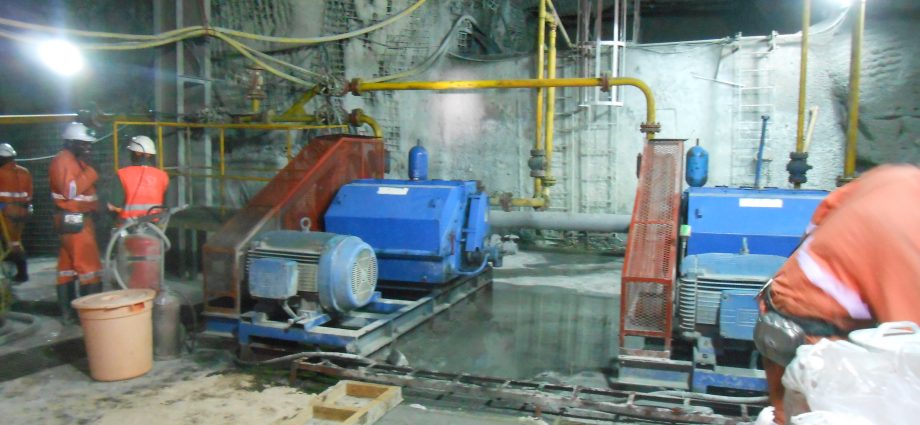
The most effective way to manage groundwater inflows in underground mines is to address dewatering design early in the project lifecycle.
According to John Goulding, Study Manager Mine Engineering at Cementation Africa, the foundation for effective underground dewatering is established long before the first shaft is sunk.
“Hydrogeological studies form part of the mine’s initial feasibility work, with drill holes to understand what volumes the mine is likely to encounter,” Goulding explains. “Cementation Africa, as a leading underground mining contractor, uses this data as the basis for planning a dewatering strategy in a multi-disciplinary engineering process that intersects mine design, shaft infrastructure, power systems and operational logistics.”
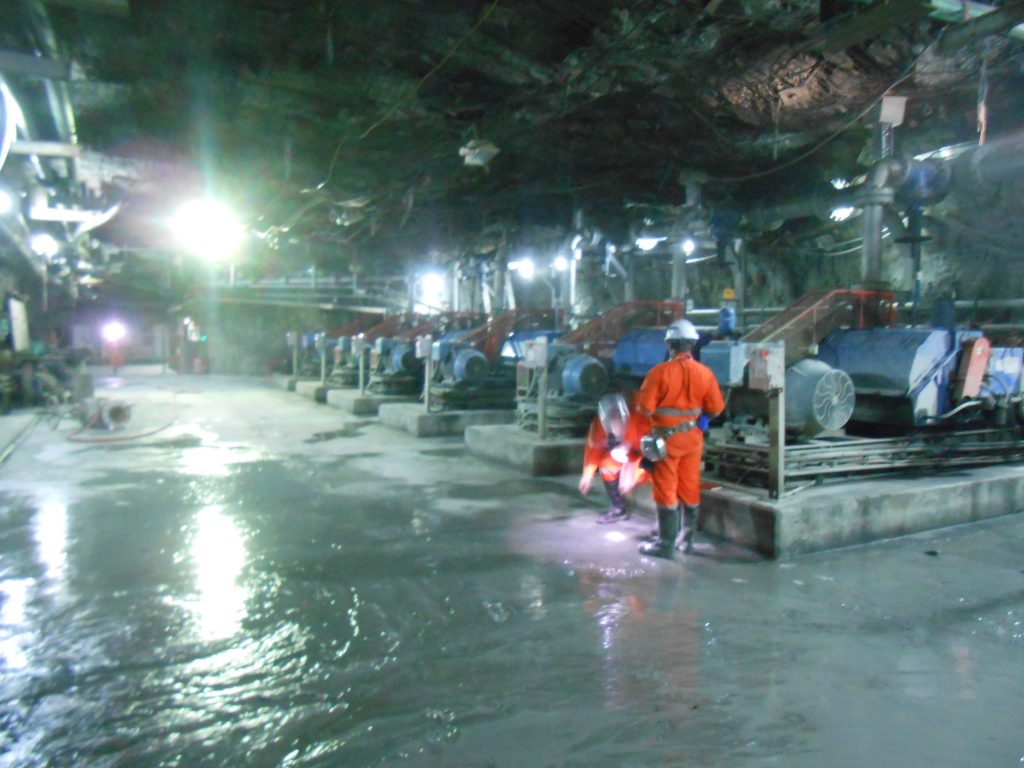
Cementation Africa has built a reputation for addressing dewatering challenges through an integrated engineering approach that links design, construction and operational realities underground, he says.
“Our strength lies in our ability to design and execute dewatering solutions across the full project lifecycle – from feasibility through to the operation of pump stations,” he explains. “This includes the civil, mechanical, electrical and control design aspects that must come together in an underground dewatering system.”
Early planning is critical to ensuring that pump stations, settling and storage infrastructure are correctly positioned and sized to manage expected inflows. It also enables engineers to incorporate flexibility into the system, allowing it to respond as mining conditions evolve.
Louis du Plessis, Project Engineer Mine Engineering at Cementation Africa, notes that the company is often involved at an early stage, supporting clients with feasibility-level engineering and option assessments.
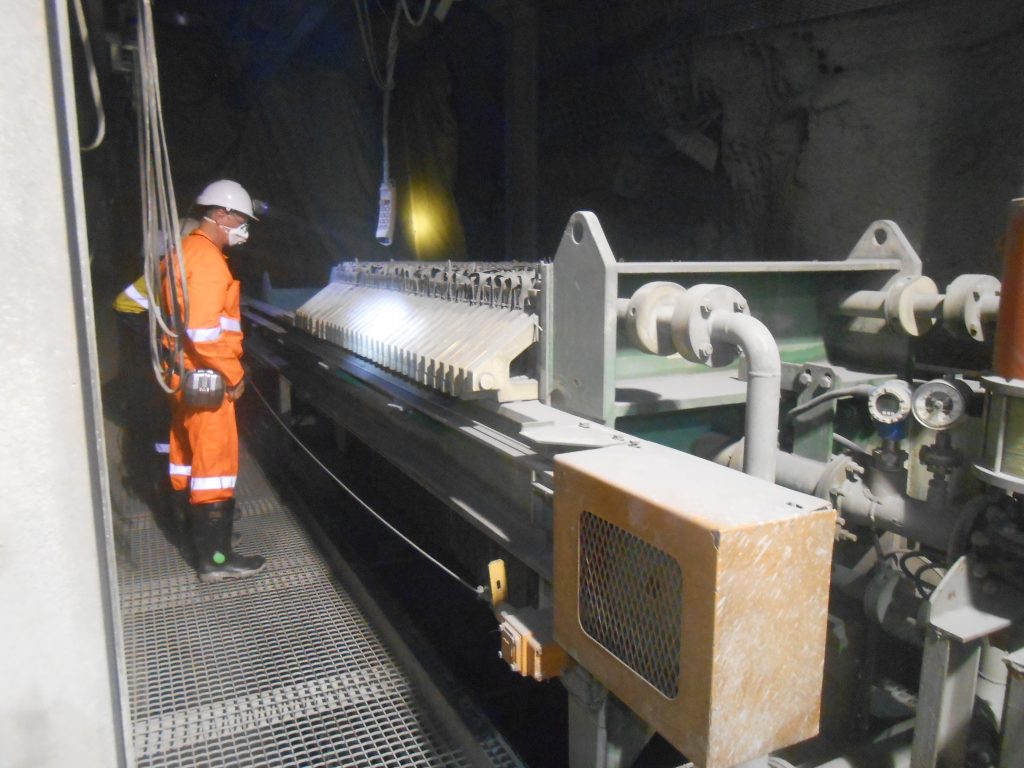
“By conducting studies and technical assessments to guide mines’ decision-making, we can help them determine the most appropriate approach before committing to major infrastructure investments,” Du Plessis says. He emphasises that the complexity of underground dewatering requires solutions tailored to each mine’s specific infrastructure and operating conditions.
“This means working very closely with our clients, understanding what they need, and designing around that,” he says. “This collaborative process leads to engineering solutions aligned with operational realities rather than purely theoretical designs.”
Careful consideration must also be given to the practical placement of infrastructure. Pump stations need to be located where they can be accessed safely and maintained efficiently, while pipelines must be routed through shafts and haulages without interfering with other critical services such as power cables and ventilation systems.
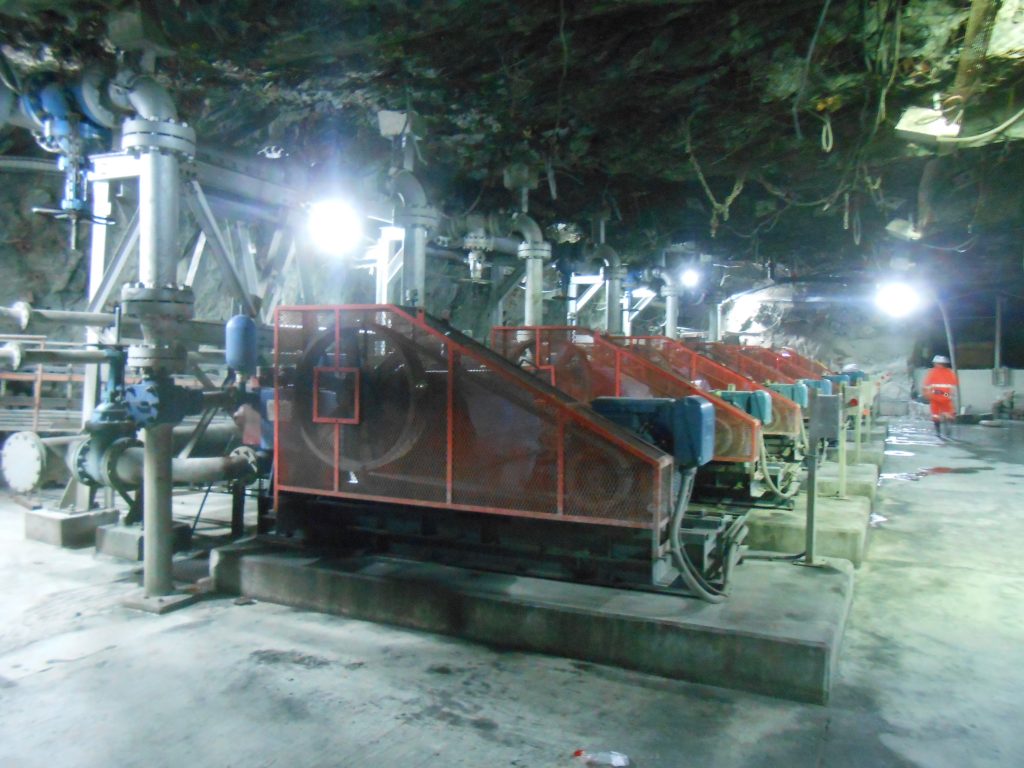
“Even with studies and modelling, there remains considerable uncertainty about the volumes of water that miners will encounter during development and mining,” Goulding says. “This makes it vital to design dewatering strategies that can adapt to varying conditions rather than simply operating at a fixed capacity.”
To accommodate this uncertainty, systems may include spare pumping capacity or be designed for future expansion. In addition, configurations can allow water to be transferred between different levels of the mine as operations deepen, ensuring that dewatering remains effective throughout the life of the mine.
