












Glass is one of the most recyclable materials in the world, yet in South Africa too much of it still ends up in landfill. Every discarded bottle or jar represents not just waste but a missed opportunity to conserve resources, save energy and unlock new business opportunities.
“Unlike many materials, glass can be recycled indefinitely without losing quality,” Francois Marais, Sales and Marketing Director at Pilot Crushtec, says. “Each time we recycle glass, we are not only reducing pressure on landfills but also helping industries save energy and cut carbon emissions.”
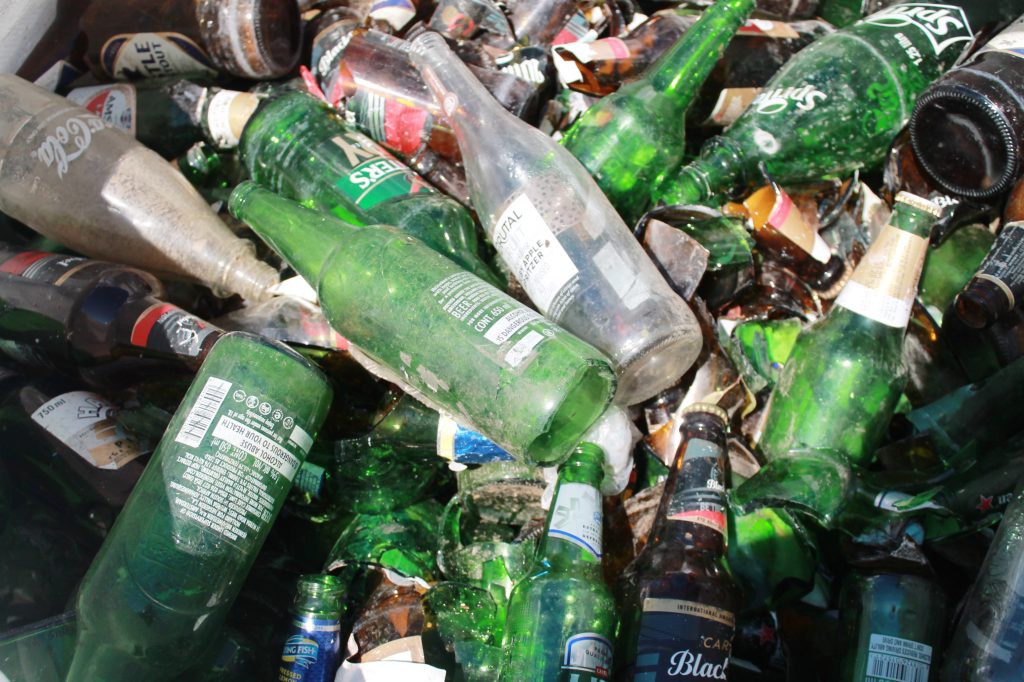
Recycling glass has an immediate environmental benefit. Melting recycled glass – known as cullet – requires less heat than melting raw materials such as silica and limestone which translates into significant energy savings. At the same time, diverting glass from landfill helps reduce environmental risk, making it a win-win for both sustainability and industry.
The uses of recycled glass extend far beyond producing new bottles and jars. Cullet is a vital ingredient in manufacturing fibreglass for insulation, while in the construction sector crushed glass is increasingly being used as a substitute for traditional aggregates in concrete and asphalt. Brick and block manufacturers are also discovering the benefits of glass cullet which can enhance both the strength and sustainability credentials of their products.
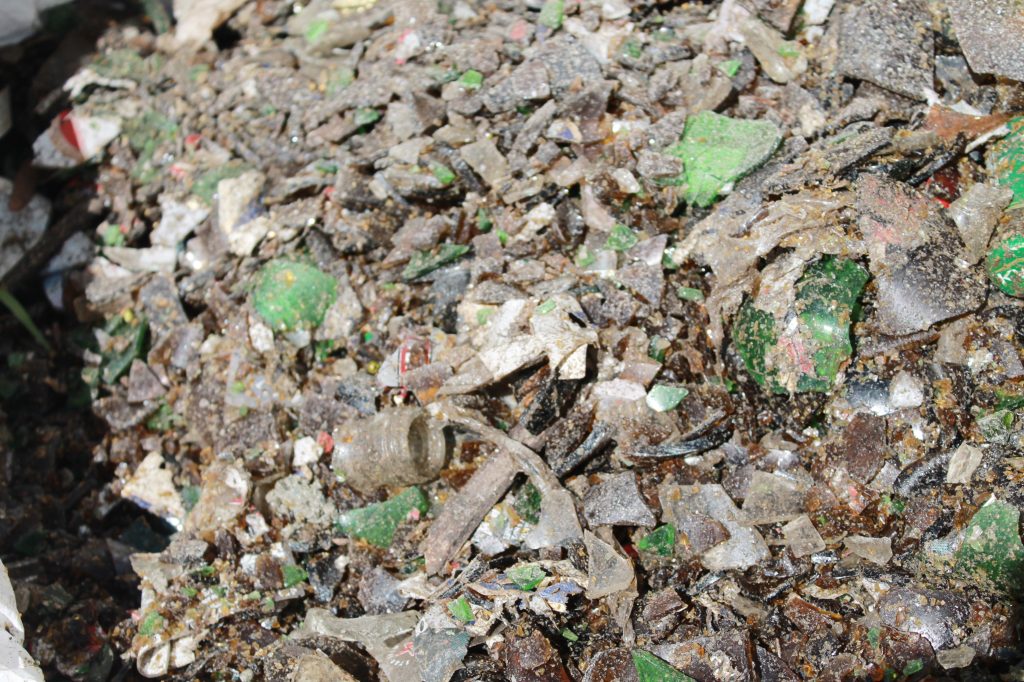
“There is a growing market for glass in construction and infrastructure,” Marais explains. “Crushed glass can strengthen road bases, add aesthetic value to concrete surfaces and even contribute to eco-friendly brick production. This opens real opportunities for businesses to innovate and differentiate themselves.”
Recycled glass is also gaining popularity in landscaping and decorative applications. Once processed, it can be used as a durable colourful mulch in gardens or as striking ground cover in pathways and water features. Beyond its visual appeal, glass cullet is proving its worth as a filtration medium in water treatment plants and swimming pools, where it outperforms traditional sand.
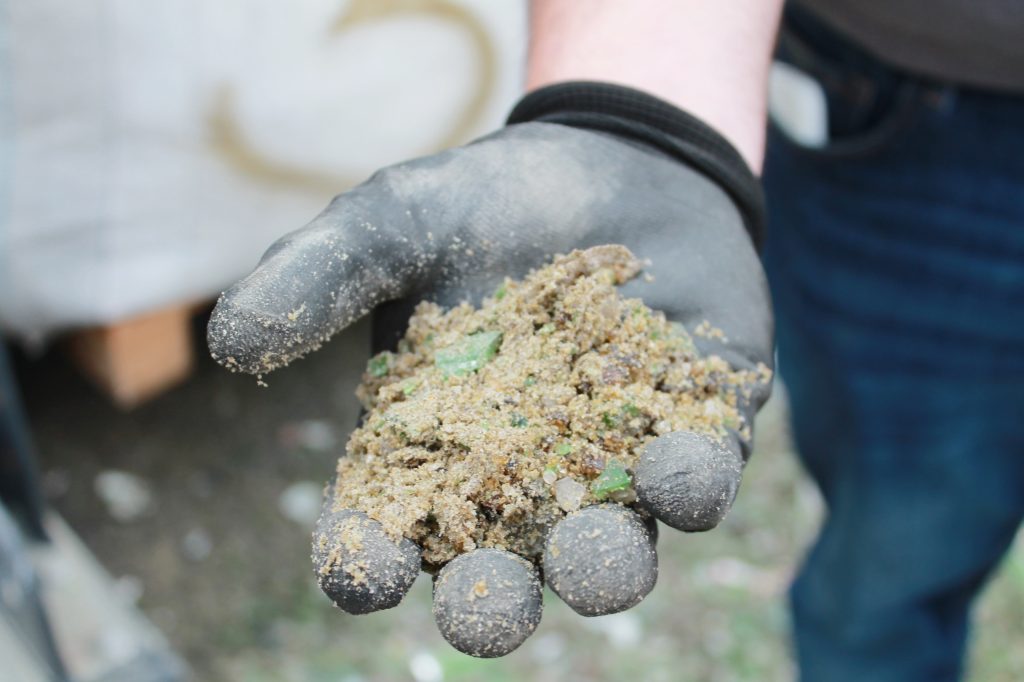
The potential does not stop there. Glass cullet is used in reflective road markings to improve night-time visibility and, in some regions, even to replenish eroded beaches. These diverse applications show how glass recycling contributes to both everyday life and large scale environmental solutions.
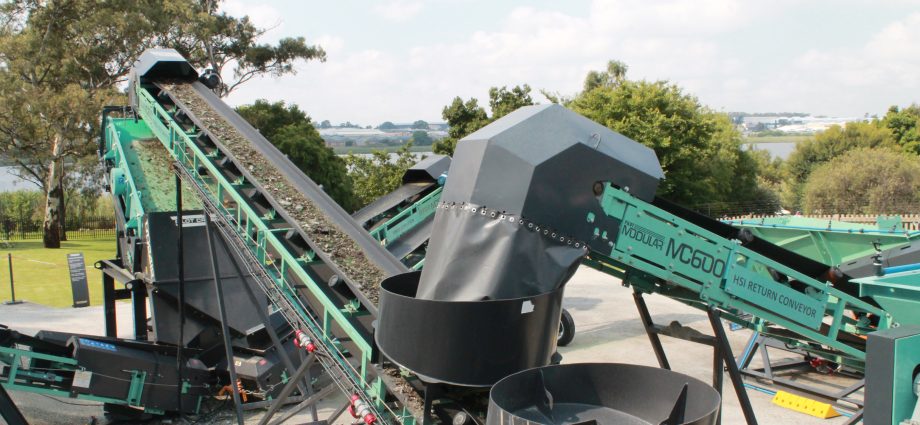
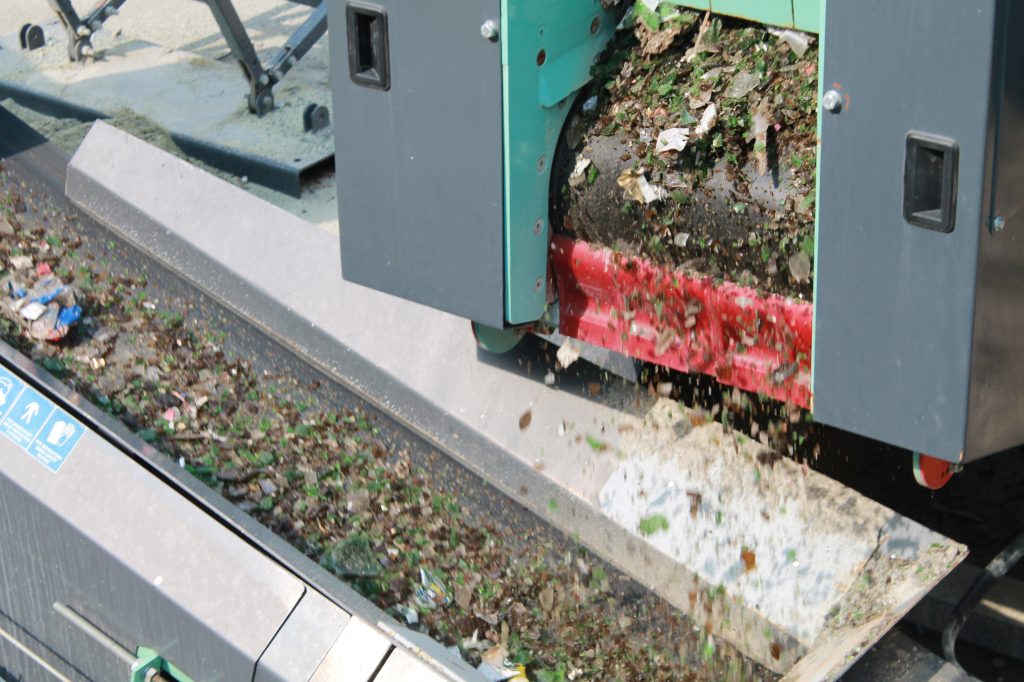
Pilot Crushtec is supporting this transition by making the processing of glass more accessible. Its range of modular crushing and screening plants allows waste glass to be efficiently converted into high quality cullet. These modular solutions are easy to deploy, cost effective and scalable, making them an attractive option for recyclers, municipalities and entrepreneurs who want to enter the growing glass recycling market.
“Glass recycling represents the perfect meeting point between sustainability and profitability,” Marais says. “It creates jobs, drives innovation and provides industries with valuable raw materials. At Pilot Crushtec, we are committed to providing the equipment that makes this possible but the real transformation will come from a broader commitment across business and society to embrace recycling as both an environmental responsibility and a business opportunity.”
