










According to the African Development Bank, Africa’s manufacturing sector generated approximately R6.7 trillion in economic value in 2025, up from around R5.4 trillion in 2020. Yet despite this progress, the continent still accounts for less than 2% of global manufacturing output – highlighting both how far Africa has come and the scale of the opportunity that remains.
For companies operating across the continent, that opportunity comes with a unique challenge: no two African markets are exactly alike.
Africa is not one market
For years, many African markets were served remotely from Europe, the Middle East or other regional hubs. Increasingly, however, businesses are recognising the value of local decision-making, closer customer support and a stronger presence in the markets they serve.
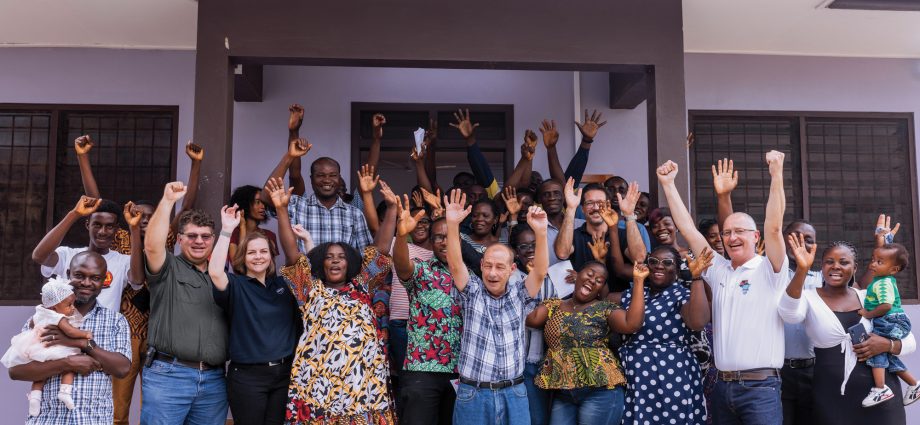
It’s an approach Bosch Rexroth Africa has been investing in for the last 6 decades. Today, the company supports customers across more than 20 African countries through 17 legal entities, 45 locations and a workforce approaching 1 000 people.
Recent milestones include the establishment of a dedicated entity in Côte d’Ivoire and the expansion of operations into North Africa, with Tunisia, Egypt and Morocco now supported through established Bosch Rexroth operations.
“A one-size-fits-all approach doesn’t work in Africa,” says Chris Riley, Regional President Bosch Rexroth Africa and Chief Executive Officer of Bosch Rexroth South Africa. “Customers need partners who understand their operating environments, their industries and their challenges. That’s why we’ve invested so heavily in local capability, local leadership and strong relationships across the continent.”
Local capability is becoming a competitive advantage
As industrialisation accelerates, access to local expertise is becoming an increasingly important differentiator.
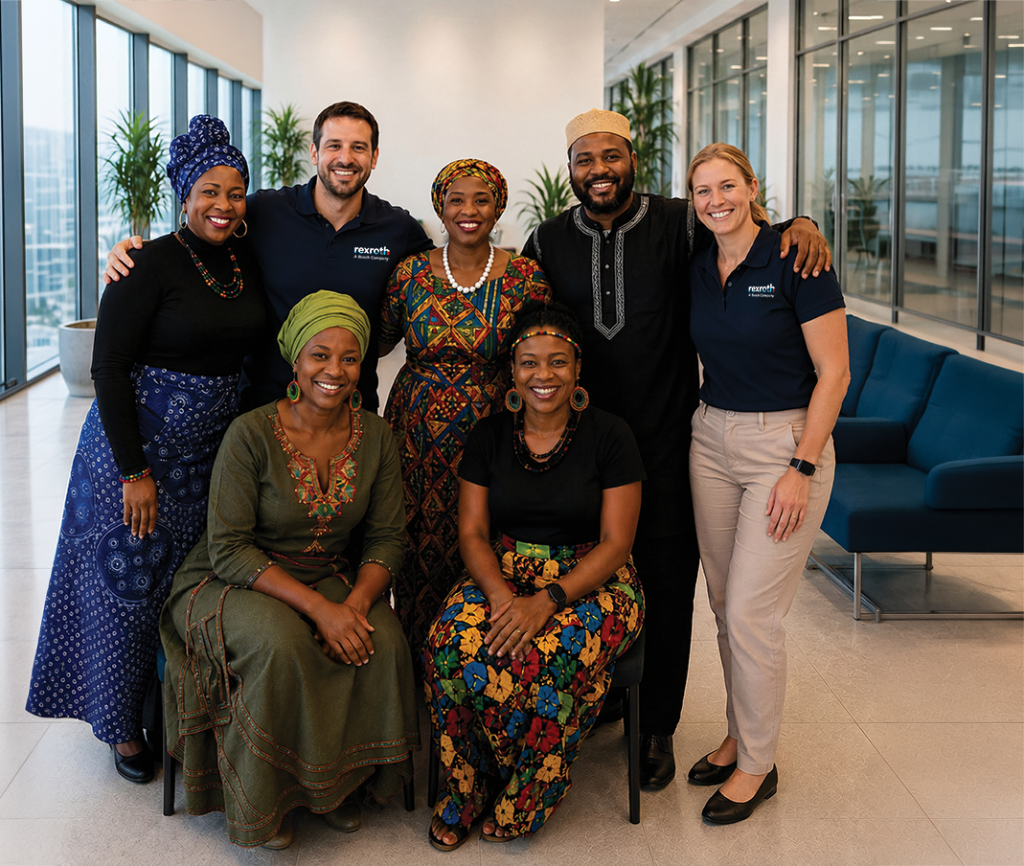
The majority of Bosch Rexroth Africa’s operations are led by country managers who call those markets home. Their understanding of local industries, regulations and customer requirements helps bridge the gap between global technology and local application.
The need for local capability extends beyond leadership and customer support.
The Group’s training footprint extends across the continent through classroom, on-site and e-learning programmes designed to strengthen technical capability across the continent.
The reputation of that training has grown well beyond Africa. Learners now travel to South Africa from countries including Australia, the United States, Saudi Arabia and China to access specialised hydraulic, pneumatic, automation and mechatronic programmes not readily available in their home markets.
Building the next chapter together
Industrial growth is rarely driven by a single company, technology or project. It is built over time through collaboration, investment and the transfer of knowledge across industries, countries and generations.
That belief is reflected in Bosch Rexroth Africa’s 60th anniversary theme, #StrongerTogether.
More than a campaign slogan, it reflects a practical reality: lasting industrial progress depends on strong partnerships between businesses, customers, communities and the people who keep industries moving forward.
“Building industrial capability takes time,” says Riley. “You build it one relationship, one customer, one project and one market at a time. That’s what we’ve been doing for the past 60 years, and that’s what we’ll continue doing as we help support Africa’s next phase of growth.”
Africa’s industrial future is still being written, but the foundations are already taking shape. The question is no longer whether opportunity exists, but how quickly it can be realised.
